
Available from 2nd November 2026!
Advanced Mycotoxin Testing for Patients and Clinicians
Could mold exposure be affecting your health?
Mycotoxins have been associated with a wide range of biological effects. Research has demonstrated that certain mycotoxins may contribute to oxidative stress, mitochondrial dysfunction, immune dysregulation, inflammation, hormonal disruption and cellular damage. The KBMO Urine Mycotoxin Assessment evaluates a panel of mycotoxins and mycotoxin metabolites that may provide insight into environmental mold exposure and ongoing mold elimination processes.
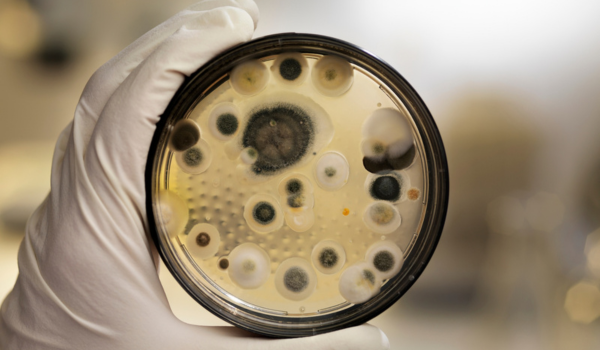
Mycotoxins are naturally-occuring toxic compounds produced by certain species of mold (fungi). Although molds have existed for hundreds of millions of years and are an essential part of the natural ecosystem, some mold species can produce mycotoxins that pose significant health risks to humans.
Mycotoxins are found worldwide and can contaminate food supplies, indoor environments, agricultural products and water-damaged buildings. Human exposure can occur through inhalation of airbourne particles, ingestion of contaminated food or direct contact with contaminated materials. Once inside the body, mycotoxins may interact with multiple physiological systems, including the immune, neurological, gastrointestinal and endocrine systems and detoxification processes.
Common sources of exposure:
Unlike mold spores, mycotoxins themselves are chemical compounds. Individuals may therefore experience health effects even when active mold growth is no longer visible.
16 of the most clinically significant mycotoxins:
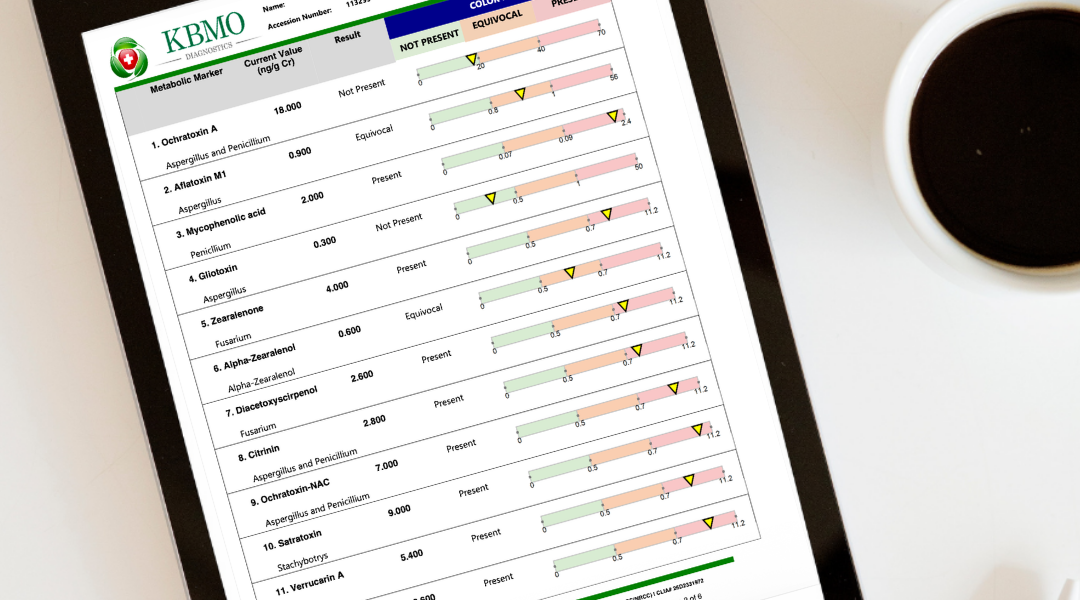
Potential symptoms associated with mycotoxin exposure include brain fog, fatigue, memory concerns, immune dysfunction, respiratory symptoms, chronic inflammation, neurological symptoms and general wellbeing challenges.
Whether you’re managing a chronic condition or looking for answers, the KBMO Mycotoxin Assessment gives your provider powerful data to support your healing journey.